
Boost business growth in 2026 with a digital marketing strategy focused on SEO, traffic generation, online branding, and higher conversions.
Introduction
A strong Digital Marketing Strategy is essential for businesses that want to grow online, increase visibility, attract customers, and improve revenue. Modern companies use Online Marketing, Internet Marketing, and Digital Advertising to connect with their audience and create long-term success. Without a proper strategy, businesses struggle with low Website Traffic, poor Customer Engagement, and weak Search Visibility.
Today, digital platforms allow brands to reach global audiences through Search Engine Optimization, Social Media Marketing, Email Marketing, Affiliate Marketing, and Content Marketing. These techniques help companies improve Brand Awareness, generate leads, and increase conversions.
This guide explains all important Primary Keywords, Secondary Keywords, Semantic Keywords, and LSI Keywords related to digital marketing in detail.
What Is a Digital Marketing Strategy?
A Digital Marketing Strategy is a structured plan that businesses use to promote products or services online. It combines different channels such as search engines, social media, websites, email campaigns, and paid advertising to achieve marketing goals.
A successful strategy focuses on:
- Increasing Online Presence
- Improving Customer Acquisition
- Boosting Organic Search Traffic
- Enhancing Audience Engagement
- Generating quality leads
- Improving Marketing ROI
- Building strong brand identity
Businesses that implement advanced Web Marketing techniques can outperform competitors and establish authority in their industry.
Importance of Online Marketing
Online Marketing helps businesses communicate with customers using digital channels. It allows companies to market products worldwide without expensive traditional advertising.
Benefits of Online Marketing
- Better audience targeting
- Increased brand promotion
- Higher website optimization
- Improved conversion tracking
- Strong customer retention
- Increased digital audience reach
- Better advertising campaigns
Companies using Online Promotion techniques can build trust and improve customer relationships effectivel
Search Engine Optimization (SEO) Strategy
What Is SEO?
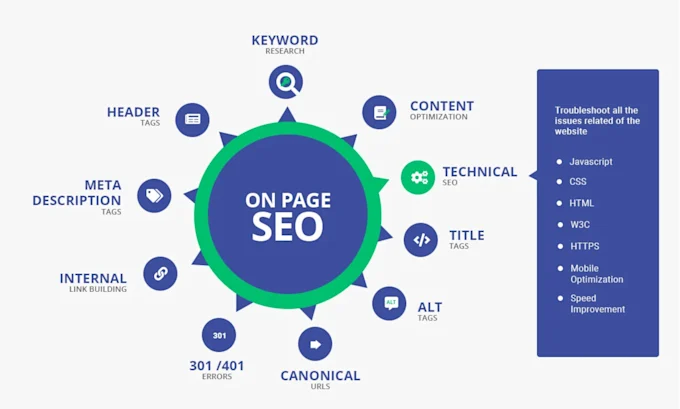
Search Engine Optimization is the process of improving a website’s visibility on search engines like Google. A strong SEO Strategy increases rankings, drives Organic Traffic, and improves user experience.
Important SEO Types
1. Technical SEO
Technical SEO focuses on website performance and indexing.
Key Elements
- Website speed optimization
- Mobile responsiveness
- XML sitemaps
- Secure HTTPS connection
- Structured data implementation
2. Local SEO
Local SEO helps businesses appear in local search results.
Benefits
- Higher local visibility
- Better customer reach
- Increased traffic from nearby users
- Improved search rankings
3. Content SEO
Content optimization improves keyword relevance and search visibility.
Content SEO Includes
- Keyword research
- Semantic keyword optimization
- Internal linking
- User engagement improvement
Content Marketing Strategy
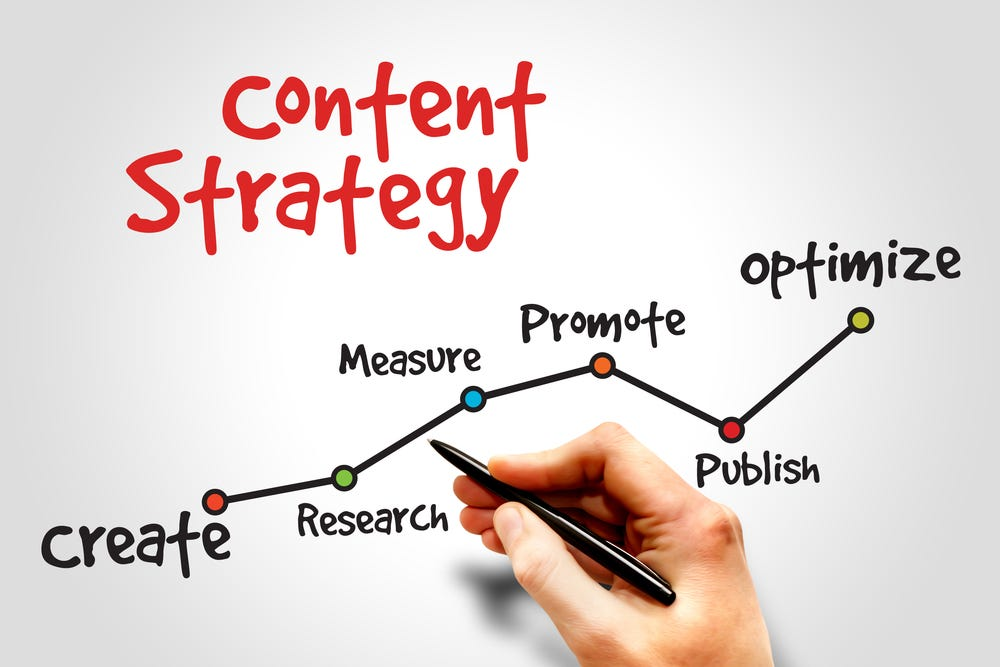
Content Marketing is one of the most powerful methods for attracting and educating audiences.
| Content Marketing Elements | Purpose & Benefits |
| Blog Posts | Improve SEO, increase organic traffic, and educate audiences |
| Videos | Boost engagement, explain products, and improve brand awareness |
| Infographics | Present information visually and increase social shares |
| Case Studies | Build trust by showing real business success stories |
| Tutorials | Help users solve problems and improve customer engagement |
| Guides | Provide detailed information and improve website authority |
Social Media Marketing Strategy
Social Media Marketing promotes businesses through platforms like Facebook, Instagram, LinkedIn, TikTok, and X.
Benefits
- Better audience engagement
- Increased online customer reach
- Strong brand promotion
- Improved customer retention
Social Media Advertising
Social Media Advertising helps brands target specific audiences through paid campaigns.
Advantages
- Fast traffic generation
- Improved conversions
- Better customer acquisition
- Stronger marketing campaigns
Email Marketing Campaign Strategy
Email Marketing remains one of the highest ROI marketing methods.
Benefits of Email Marketing
- Personalized communication
- Better conversion tracking
- Improved customer engagement
- Increased sales
Effective Email Campaign Techniques
- Automated email sequences
- Promotional newsletters
- Customer retention campaigns
- Product recommendation emails
Businesses using Marketing Automation can streamline email campaigns and improve efficiency.
PPC Advertising Strategy
PPC Advertising is a paid strategy where advertisers pay for each click on their ads.
Benefits
- Immediate website traffic
- Better audience targeting
- Higher lead generation
- Improved business promotion
Paid Advertising Platforms
- Google Ads
- Facebook Ads
- LinkedIn Ads
- YouTube Ads
An effective Paid Advertising campaign improves visibility and accelerates growth.
Affiliate Marketing and Influencer Marketing
Affiliate Marketing
Affiliate Marketing allows businesses to partner with affiliates who promote products for commissions.
Benefits
- Increased sales
- Better online branding
- Expanded digital audience
Influencer Marketing
Influencer Marketing uses social media influencers to build trust and reach new customers.
Advantages
- Stronger customer engagement
- Better brand awareness
- Improved online visibility
Video Marketing and Mobile Marketing
Video Marketing
Video Marketing increases engagement and improves customer understanding.
Popular Video Content
- Product demos
- Tutorials
- Brand storytelling
- Live streams
Mobile Marketing
Mobile Marketing targets smartphone users through apps, SMS campaigns, and mobile-friendly websites.
Benefits
- Better audience targeting
- Improved traffic generation
- Enhanced user engagement
Marketing Analytics and Data-Driven Marketing
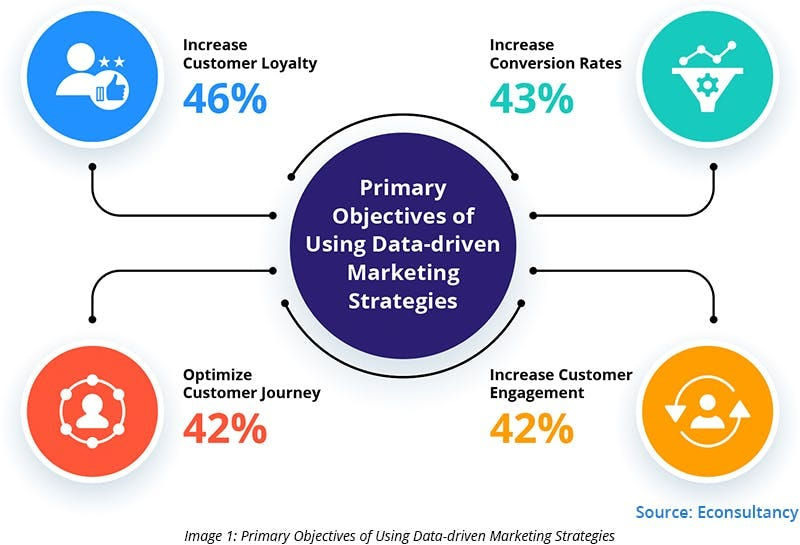
Marketing Analytics
Marketing Analytics measures campaign performance and customer behavior.
Important Metrics
- Website traffic
- Conversion rate
- Bounce rate
- Click-through rate
- Marketing ROI
Data-Driven Marketing
Data-Driven Marketing uses analytics to improve decision-making.
Benefits
- Better campaign optimization
- Improved customer acquisition
- Higher conversion rate optimization
Lead Generation Through Digital Marketing
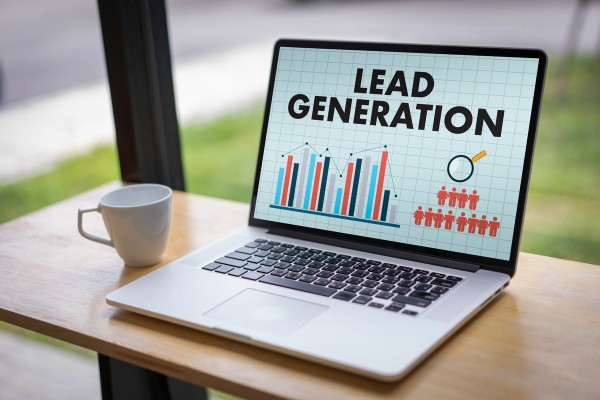
What Is Lead Generation?
Lead Generation attracts potential customers interested in products or services.
Lead Generation Methods
- SEO
- PPC advertising
- Social media campaigns
- Landing pages
- Email marketing
A strong strategy improves customer acquisition and sales performance.
Conversion Rate Optimization (CRO)
Conversion Rate Optimization increases the percentage of users who complete desired actions.
CRO Techniques
- Better website design
- Faster loading speed
- Strong call-to-action buttons
- Optimized landing pages
Improved CRO helps businesses maximize traffic value and increase revenue.
Website Marketing and Online Branding
Website Marketing
Website Marketing focuses on promoting a company website effectively.
Important Elements
Online Branding
- SEO optimization
- Content quality
- User experience
- Mobile optimization
Online Branding builds a recognizable identity online.
Strong Branding Includes
- Consistent messaging
- Professional visuals
- Customer trust
- Audience engagement
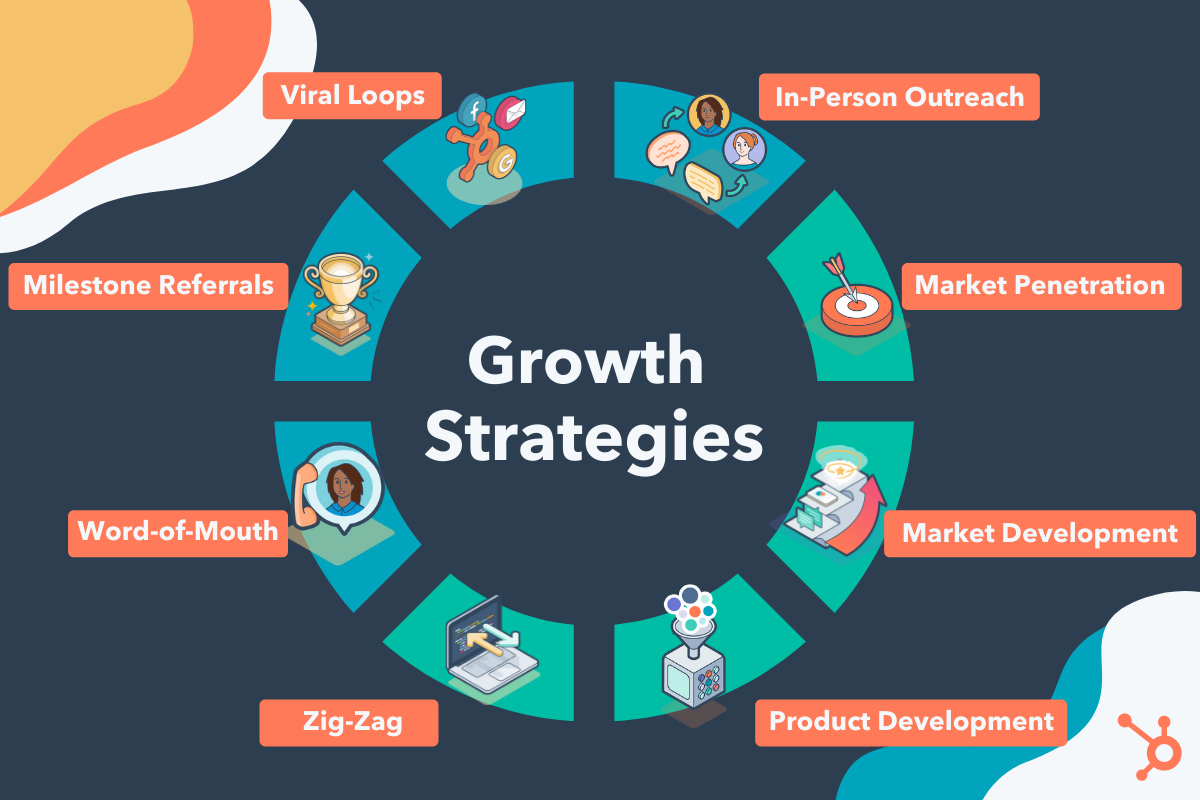
Growth Marketing and Performance Marketing
Growth Marketing
Growth Marketing focuses on long-term customer growth using experimentation and analytics.
Growth Marketing Strategies
- Customer engagement campaigns
- Retargeting ads
- Personalized content
Performance Marketing
Performance Marketing focuses on measurable results.
Benefits
- Better ROI
- Accurate conversion tracking
- Increased digital sales strategy effectiveness
B2B Marketing vs B2C Marketing
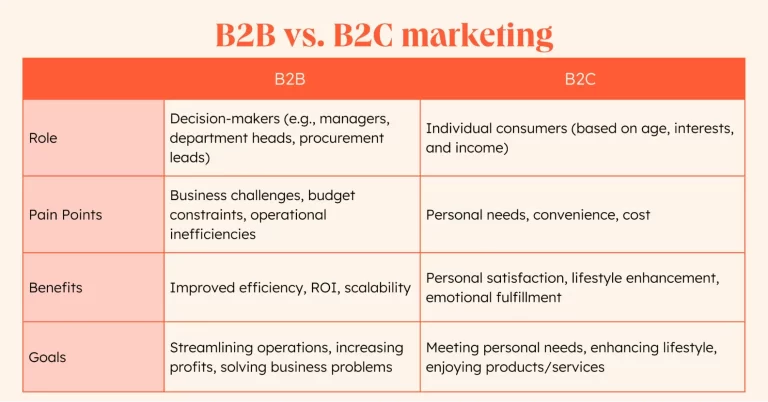
B2B Marketing
B2B Marketing targets businesses and professionals.
Characteristics
- Longer sales cycle
- Relationship-focused
- Data-driven decision-making
B2C Marketing
B2C Marketing targets direct consumers.
Characteristics
- Emotional marketing
- Faster purchasing decisions
- Strong social media influence
Important Semantic Keywords Explained
Digital Business Strategy
A complete plan for online business success and market expansion.
Internet Branding
Building brand authority across online platforms.
Marketing Funnel
The customer journey from awareness to purchase.
Traffic Generation
Strategies used to increase website visitors.
Customer Engagement
Interactions that strengthen relationships between brands and users.
Business Growth Strategy
Long-term methods used to increase revenue and market reach.
Online Visibility
The ability of a brand to appear across digital platforms and search engines.
Search Visibility
How often a website appears in search results.
Important LSI Keywords Explained
Search Rankings
Positions achieved in search engine results pages.
Online Presence
Visibility and reputation of a business online.
Marketing ROI
The return businesses earn from marketing investments.
Audience Engagement
How users interact with digital content.
Website Optimization
Improving website performance and usability.
Keyword Research
Finding relevant search terms users enter into search engines.
Brand Identity
Unique business image and personality.
Best Digital Marketing Strategies for Small Businesses
Small businesses should focus on:
- SEO strategy
- Local SEO
- Content marketing
- Social media growth
- Email campaigns
- Marketing automation
These methods help improve customer acquisition and reduce marketing costs.
Future of Digital Marketing
The future of digital marketing includes:
- AI-powered marketing
- Voice search optimization
- Personalized customer experiences
- Automation tools
- Advanced marketing analytics
Businesses adapting to new trends can maintain strong online visibility and improve growth opportunities.
Conclusion
A successful Digital Marketing Strategy combines SEO, Content Marketing, Social Media Marketing, Email Marketing, PPC Advertising, and Marketing Analytics to achieve long-term success. Businesses that focus on Customer Engagement, Traffic Generation, Conversion Rate Optimization, and Online Branding can improve search rankings, increase organic traffic, and strengthen their digital presence.
Using the right mix of Primary Keywords, Secondary Keywords, Semantic Keywords, and LSI Keywords helps businesses create better content, attract targeted audiences, and achieve sustainable growth in the competitive online marketplace.