
What is SEO? SEO (Search Engine Optimization) is a strategy used to increase the visibility of a website in search engine results. In simple terms, it means making changes to your website’s design and content so that it can be easily found by people who are searching for what your business offers. Whether you’re a startup, small business owner, or digital marketer, SEO can help you achieve better rankings on search engines like Google, which in turn drives organic traffic to your site.
MOZ is a well-established provider of SEO tools and services, helping businesses understand the nuances of SEO to improve online visibility. In this guide, we’ll break down SEO step by step and explain what it means, how it works, why it matters in 2026, and provide practical insights for beginners.
What is SEO and Why It Matters
SEO stands for Search Engine Optimization, and it’s the process of improving a website so that it ranks higher in search engine results. Search engines, like Google, use algorithms to determine which pages are most relevant for a particular search query. By optimizing your content and structure, you can increase the chances of your site appearing in top positions.
SEO isn’t just about optimizing a page for ranking. It also involves making your website more user-friendly, improving the speed of the site, ensuring mobile compatibility, and providing useful and engaging content that answers users’ questions. As a result, SEO helps your site gain organic traffic (i.e., traffic that comes from search engines without paying for ads).
To understand SEO fully, it’s essential to know how search engines function. Search engines like Google use a three-step process to display results for any query:
How Search Engines Work
- Crawling: This is the process where search engine bots (also known as crawlers or spiders) visit your website and gather information. The bots go through each webpage, read the content, and follow links to other pages.
- Indexing: After crawling, search engines store and organize the content in an index. The index is like a massive database that helps search engines retrieve information quickly when a user performs a search.
- Ranking: After indexing, the search engine ranks the content based on a set of algorithms that analyze factors like relevance, authority, and quality of content. The higher your page ranks, the more likely it is to appear at the top of search results.
While crawling and indexing are automated, ranking depends on how well your content matches a user’s search intent. The more relevant and authoritative your website is, the higher it will rank.
Why SEO Matters in 2026
SEO remains a crucial aspect of digital marketing in 2026, as businesses increasingly rely on organic search to attract customers. Here are some key reasons why SEO matters:
Organic Visibility vs Paid
While paid ads like PPC (Pay-Per-Click) can offer quick visibility, organic SEO gives you long-term results. Paid ads get you to the top, but they stop once your budget runs out. With organic SEO, once you rank for a keyword, you continue to receive traffic without additional cost. This makes SEO a cost-effective long-term strategy for growing your business.
User Trust & Brand Authority
When users see your site ranking high on search engines, it builds trust and authority. They’re more likely to click on your website if it appears at the top of the search results because they trust search engines to provide reliable and high-quality information.
Traffic Quality & Business Goals
SEO helps you target specific keywords that match what your audience is looking for. This means the traffic you get is high-quality and has a higher chance of converting into sales or leads. Organic traffic is more likely to have genuine interest in your products or services.
Core Components of SEO
SEO is made up of three main components that work together to improve your website’s ranking:
On‑page SEO
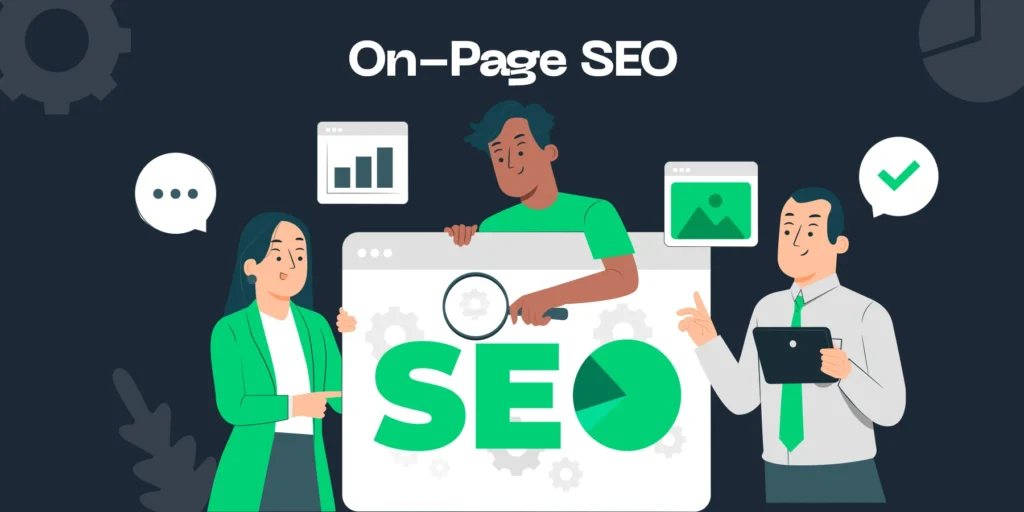
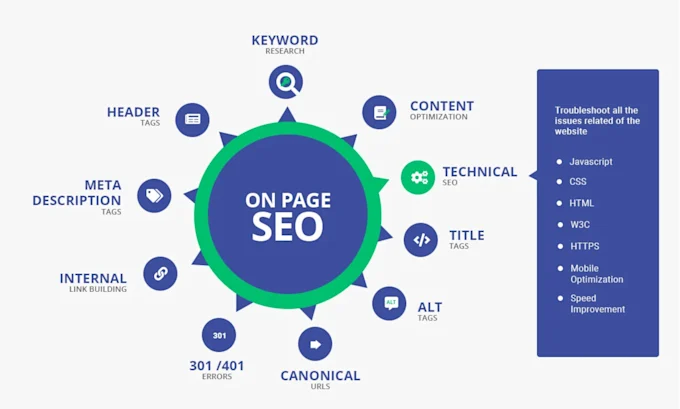
On-page SEO refers to the elements on your website that you can control and optimize. This includes:
- Content: Creating valuable and informative content that answers the user’s search query.
- Title Tags & Meta Descriptions: These are important for both ranking and attracting clicks in the search results.
- Headings & Subheadings: Structuring your content with proper headings helps search engines understand the main topics of the page.
- Internal Linking: Linking to other pages on your website helps search engines crawl and index your site more effectively.
Technical SEO
Technical SEO ensures that your website is built in a way that search engines can crawl and index it properly. Key factors include:
- Site Speed: A faster site is not only better for users, but Google also considers speed as a ranking factor.
- Mobile Optimization: More people browse the web on mobile devices than on desktops, so having a mobile-friendly website is essential.
- Secure Connection (HTTPS): Google prefers secure sites with HTTPS, which protects user data.
- Clean Site Architecture: Organizing your site with a clear, easy-to-follow structure helps search engines and users navigate it.
Off‑page SEO
Off-page SEO involves actions taken outside of your website to improve its authority and reputation. This primarily includes backlinks, which are links from other websites to your content. High-quality backlinks from reputable websites improve your site’s authority and help it rank higher.
Emerging (AI & Answer‑Focused SEO)
In 2026, SEO is increasingly influenced by AI and Answer-Focused SEO (AEO). Search engines like Google are now prioritizing content that provides direct, valuable answers to users’ queries. Optimizing for featured snippets and voice search will become essential as AI-driven search engines become more advanced.
Generative Engine Optimization (GEO) is also on the rise, where search engines generate answers directly from content (e.g., AI chatbots or virtual assistants).
How SEO Works — Step by Step
Here’s a step-by-step breakdown of how you can implement SEO for your website:
1. Keyword Research
Start by identifying the keywords your target audience is searching for. Use tools like MOZ, Google Keyword Planner, or SEMrush to find relevant keywords and understand search volume, competition, and user intent.
2. Content Optimization
Optimize your content for the keywords you’ve identified. Make sure your content is valuable, engaging, and answers the user’s query. Use relevant keywords in your titles, headings, and body text.
3. Technical Fixes
Address any technical issues on your site that could hinder its performance. Improve your site speed, ensure mobile optimization, and fix broken links or errors.
4. Authority Building
Focus on building backlinks from high-authority websites. Write guest posts, reach out to influencers, or promote your content to earn natural backlinks.
5. Tracking & Iteration
Track your SEO efforts using tools like Google Analytics, Google Search Console, and MOZ. Analyze which keywords bring the most traffic, and continue to tweak and improve your strategy based on data.
Common SEO Mistakes
1. Keyword Stuffing
Avoid stuffing keywords unnaturally into your content. Instead, focus on writing for the user and naturally incorporating relevant keywords.
2. Ignoring Mobile Optimization
With most users browsing on mobile devices, neglecting mobile optimization can harm your rankings. Ensure your site is responsive and loads quickly on smartphones and tablets.
3. Poor Site Structure
An unclear site structure can confuse both search engines and users. Use clear navigation, headings, and a logical layout to help both humans and bots understand your content.
4. Bad User Experience (UX)
A poor user experience can lead to higher bounce rates. Focus on providing an easy-to-navigate, visually appealing site with fast load times.
SEO vs SEM vs PPC
Here’s a comparison of SEO, SEM (Search Engine Marketing), and PPC (Pay-Per-Click) to help you understand the differences:
| Feature | SEO | SEM | PPC |
| Cost | Free/Organic | Paid + Organic | Paid only |
| Traffic Source | Organic Search | Organic & Ads | Ads |
| Time to Results | Weeks to months | Immediate | Immediate |
| Best for | Long-term growth | Quick visibility | Short campaigns |
SEO is focused on organic traffic and long-term success, while PPC provides immediate visibility through paid ads. SEM combines both SEO and PPC strategies to achieve visibility in search results.
Examples of SEO in Action
Local SEO (US Example)
A small plumbing business in New York optimized its Google My Business profile and targeted local keywords. As a result, the business appeared at the top of local search results and saw a 50% increase in phone calls from customers.
eCommerce SEO Example
An online clothing store optimized product pages with detailed descriptions, optimized images, and relevant keywords. This led to a 30% increase in organic traffic and a significant boost in sales.
Blog/Content Page SEO Example
A tech blog created detailed articles on “how SEO works,” targeting long-tail keywords. The articles ranked in the featured snippets and saw a 40% increase in traffic.
Tools & Metrics for Measuring SEO Success
To measure SEO success, you can use various tools and metrics:
- Google Analytics: Tracks website traffic and user behavior.
- Google Search Console: Monitors site performance and indexing issues.
- MOZ: Provides keyword analysis and SEO insights.
- Metrics to Track: Organic traffic, keyword rankings, click-through rate (CTR), bounce rate, backlinks, and conversion rates.
Conclusion
In today’s digital-first landscape, understanding what is SEO is no longer optional for anyone looking to build a sustainable online presence. By consistently applying these optimization strategies, you can improve your rankings, reach your target audience more effectively, and ultimately grow your brand through organic search. Now that you have a foundational grasp of what is SEO, it’s time to start auditing your content and making the necessary changes to ensure search engines—and users—can find you.
FAQ — What People Ask
How long until SEO results appear?
It typically takes 3–6 months to see SEO results, depending on the competition and effort put into the strategy.
Is SEO free?
SEO is free in terms of not having to pay for clicks or ads, but you may need to invest in tools and services to get the best results.
Can SEO guarantee #1 ranking?
No, SEO cannot guarantee #1 rankings, but it improves your chances of ranking higher over time.
What skills do SEO professionals need?
SEO professionals need strong skills in keyword research, content strategy, data analysis, and technical SEO.
Ready to Boost Your Site’s SEO?
If you’re ready to start optimizing your site and driving more organic traffic, contact us today for a free consultation and to explore our advanced SEO tools and services.